Introduction
When it comes to parenting, one of the most challenging facets is getting ready for emergency situations. Whether it's a scraped knee from a play area accident or a more significant situation like choking, having standard first aid knowledge can empower moms and dads and caretakers. Comprehending just how to respond in these scenarios isn't simply advantageous; it can be lifesaving. This extensive overview will certainly explore First Help Basics for Parents: Equipping Households to Deal with Emergencies, guaranteeing you feel equipped and all set to encounter any kind of situation that arises.
First Help Fundamentals for Parents: Empowering Households to Deal With Emergencies
In today's busy globe, recognizing just how to take care of emergencies is essential. Moms and dads frequently find themselves in circumstances where fast reasoning and immediate activity can make all the distinction. This area will certainly offer a review of essential first aid skills that every moms and dad must possess.
Understanding HLTAID012 Certification
HLTAID012 is a nationally identified certification in Australia that gears up people with the skills required to give first aid in education and learning settings, consisting of child care facilities. This accreditation covers different aspects, such as:
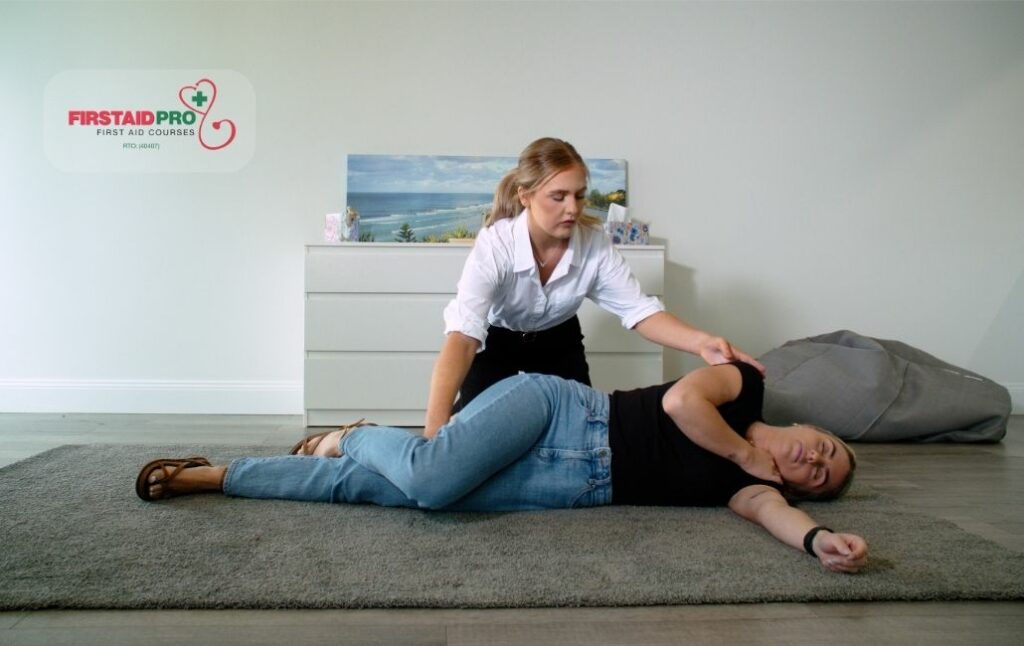
- Recognizing emergency situations Performing mouth-to-mouth resuscitation on babies and children Managing small wounds and injuries
By acquiring the HLTAID012 certification, parents not just prepare themselves but also build confidence in dealing with emergency situations effectively.
Choking Prevention Strategies
Choking is a leading reason for injury among kids. To avoid choking cases, it's vital for parents to recognize:
- Appropriate food sizes: Stay clear of hard sweets, entire grapes, or anything that could block airways. Supervision during dishes: Constantly watch your youngster while they eat. Teaching secure consuming habits: Motivate youngsters to chew their food extensively prior to swallowing.
Knowing exactly how to avoid choking is an indispensable skill that can save lives.
Epipen Administration: What You Need to Know
For children with severe allergic reactions, carrying an Epipen can be life-saving. Below are bottom lines regarding Epipen management:
Recognize Sensitive Reactions:- Swelling of the face or throat Difficulty breathing Hives or rash
- Remove the security cap. Firmly press the tool against the outer thigh. Hold it in place for 3 seconds.
- Call emergency situation services right away after administering an Epipen. Inform doctor concerning the sensitive reaction.
Managing Minor Wounds Effectively
Minor injuries prevail in childhood years, whether from drops or scuffs during playtime. Right here's how moms and dads can effectively take care of these injuries:
Step-by-Step Minor Wound Care:
Wash Hands Properly:- Use soap and water to remove germs prior to touching any kind of wound.
- Rinse under tidy running water. Use light soap if necessary.
- Apply antiseptic lotion or ointment to stop infection.
- Use a sterilized bandage or gauze to shield the injury from dirt and bacteria.
- Look out for soreness, swelling, or pus as signs of infection.
The Value of Correct Hand Hygiene
Proper hand health is basic in avoiding infections-- particularly after dealing with wounds or before meals. Below's a quick overview on handwashing methods:
- Wet hands with clean running water (cozy or chilly). Apply soap and soap by massaging hands with each other-- do not forget in between fingers and under nails. Scrub hands for at least 20 seconds. Rinse well under clean running water. Dry hands making use of a tidy towel or air dry them.
Encouraging correct hand health among youngsters infuses long-lasting habits that contribute dramatically to their general health.
Child Defibrillation Guidance
In situations of cardiac arrest, understanding exactly how to use an Automated External Defibrillator (AED) can be important. Right here's what you require to learn about youngster defibrillation:
- Familiarize on your own with AED areas-- lots of public places have them available. Follow voice directions given by the AED gadget when carrying out shocks. Ensure no one is touching the kid when providing a shock.
Training on AED use usually features accreditations like HLTAID012, enhancing preparedness throughout critical situations.
Building Instructor Confidence with Training
Educators play a crucial role in maintaining children safe within instructional setups. Offering training sessions on fundamental first aid strategies empowers instructors with confidence when reacting to emergency situations:
Regular training updates aid revitalize expertise and skills. Practical drills reinforce learning and prepare personnel for real-life situations. Encouraging open dialogue concerning occurrence reporting procedures makes certain everyone understands their immediate action obligations during emergencies.Recognizing Bronchial asthma Symptoms Very early On
Asthma impacts lots of kids worldwide; therefore recognizing signs early can bring about prompt treatments:
Common Symptoms Include:
- Coughing often throughout playtime Shortness of breath Wheezing noises when exhaling
If your child exhibits these signs and symptoms, consult your healthcare provider for ideal management techniques customized especially for them.
Addressing Playground Mishaps Responsively
Playgrounds provide enjoyable yet come with dangers as well! Below's exactly how you can attend to play area problems promptly:
Assess injuries quickly: Check if your child requires clinical attention based on injury severity. Keep emergency get in touches with useful: Have numbers readily offered in instance speedy treatment is needed (like calling 000). Educate kids concerning play ground safety and security rules: Educate them not only just how to delight in play but additionally stay cautious regarding surroundings!Childproofing Strategies Every Parent Ought To Know
Childproofing your home efficiently decreases mishaps and injuries among kids! Consider executing these strategies throughout your area:
Strategies Include:
Install safety gateways at stairways & & guarantee they're firmly fastened! Use electrical outlet covers & & maintain cords out of reach from curious little hands! Secure heavy furnishings products onto walls-- to avoid tipping!By proactively mitigating dangers in your home via basic adjustments like these-- you'll promote more secure atmospheres favorable towards expedition & & growth!
Incident Reporting Protocols: Why They Matter?
Every child care center should adhere strictly in the direction of occurrence coverage protocols after any crash takes place-- no matter if it's small! Understanding why this process matters includes recognizing liability within treatment environments while guaranteeing conformity per legislation guidelines developed nationally throughout Australia!
Benefits Supplied By Case Coverage Include:
1. Permits clear interaction in between all parties involved(parents & personnel alike)2. Makes it possible for monitoring patterns relevant towards constant events-- assisting prevention efforts moving forward! 3. Assists in documents retention called for by legislation within childcare security laws Australia!
Implementing thorough procedures cultivates trust while enhancing overall high quality standards throughout centers left with kids's wellbeing daily!
FAQs
1) What must I do if my youngster chokes?
If your youngster is choking, perform back strikes complied with by abdominal thrusts up until removed; if not successful phone call emergency first aid training in cairns solutions immediately!
2 )When need to I utilize an Epipen?
Use an Epipen if your child reveals signs of extreme allergic reactions like trouble breathing/hives-- comply with up by looking for specialist clinical aid right away!
3)Just how typically ought to I renew my HLTAID012 certification?
Your HLTAID012 accreditation normally calls for revival every three years; check certain training course providers concerning timelines/requirements particular towards refresher courses offered near you!
4)What are some common childhood fever signs?
Look out for relentless high temperatures(> 38 ° C ), irritability/loss cravings exhaustion to name a few symptoms showing feasible underlying health problem needing additional focus from medical care professionals!

5)Exactly how do I prepare my child care facility's first aid kit?
Include basics such as glue bandages/gauze pads antiseptics/tweezers scissors gloves together with specialized items based upon potential health and wellness concerns promised within signed up populaces attending facility setups(e.g., asthma inhalers).
6)Can first aid training help me react much better throughout emergencies?
Absolutely! First aid training equips you with crucial skills making it possible for prompt decision-making making sure efficient reactions throughout situations; regular technique enhances self-confidence leading eventually in the direction of improved outcomes overall!
Conclusion
Equipping on your own with important emergency treatment expertise aids promote peace-of-mind among unpredictabilities faced as parents/caregivers alike! The details shared throughout this overview serves merely as fundamental principles focused on empowering households while navigating unforeseen difficulties we might run into with each other along our trips in advance! Remember-- it's not just about finding out procedures yet embracing preparedness Click here for info permitting us all flourish jointly within areas committed nurturing future generations securely every action along way!
